Same day appointments Available | $99 New Patient Special Includes Exam and X-rays


By The Dentist Place of Clearwater | June 22, 2026
If you have ever winced after a whitening treatment, you are not alone. Many patients in Clearwater ask why does teeth whitening cause sensitivity and how to stop it. The short answer involves your tooth structure, the whitening agents used, and how your nerves respond. The good news is that sensitivity is manageable — and often preventable with the right approach.
Why Teeth Whitening Causes Sensitivity in the First Place
Whitening products use peroxide-based bleaching agents. These agents penetrate the outer enamel layer to break apart stain molecules deep inside the tooth. That penetration process temporarily opens microscopic channels called dentinal tubules.
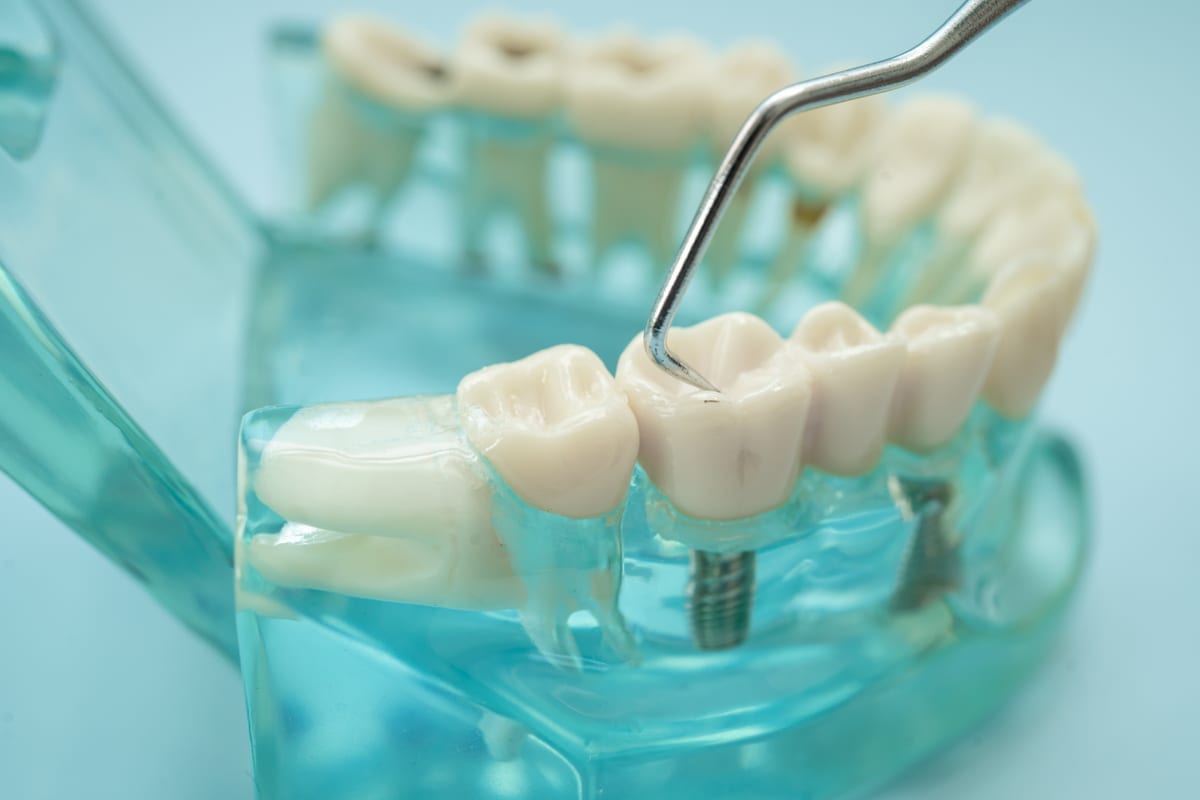
Dentinal tubules connect the outer tooth surface to the nerve at the center. When these channels open, heat, cold, and pressure travel more easily to the nerve. This is what creates that sharp, shooting sensitivity you may feel during or after whitening.
The effect is usually temporary. Most patients see sensitivity fade within 24 to 48 hours after treatment. However, people with thin enamel, gum recession, or existing sensitivity may feel it more intensely.
How Dr. Rashid Minimizes Whitening Sensitivity at The Dentist Place of Clearwater
Professional whitening done under dental supervision is much safer than over-the-counter options. Dr. Rashid evaluates each patient before recommending any whitening treatment. This evaluation helps identify risk factors for sensitivity before they become a problem.
There are several ways a professional setting reduces discomfort:
- Using precisely controlled peroxide concentrations suited to your enamel strength
- Applying desensitizing gels before and after the whitening procedure
- Protecting your gums with a barrier to prevent chemical irritation
- Monitoring treatment time to avoid over-exposure
- Recommending the right whitening method for your specific tooth type
At-home kits often use one-size-fits-all trays and high peroxide levels. These factors increase the risk of uneven whitening and unnecessary sensitivity. A customized approach at our Clearwater office makes a measurable difference.
What You Can Do at Home to Stop Whitening Sensitivity
Managing sensitivity does not stop when you leave the dental chair. There are simple, effective steps you can take at home to reduce discomfort. Following these tips consistently makes the recovery period much easier.
Here are practical steps to minimize sensitivity after whitening:
- Use a toothpaste formulated for sensitive teeth at least two weeks before treatment
- Avoid extremely hot or cold foods and drinks for 48 hours after whitening
- Switch to a soft-bristled toothbrush to reduce enamel irritation
- Take an over-the-counter pain reliever like ibuprofen if discomfort is significant
- Skip acidic foods like citrus and vinegar for a day or two post-treatment
- Space out whitening sessions to give your teeth time to recover
Potassium nitrate is the active ingredient in most sensitivity toothpastes. It works by calming the nerve signals inside dentinal tubules. Using it consistently before and after whitening sessions helps build a protective buffer.
Who Is Most at Risk for Whitening Sensitivity in Clearwater
Not everyone experiences the same level of sensitivity. Certain factors make some patients more vulnerable than others. Understanding your personal risk helps you prepare and protect your teeth more effectively.
You may be at higher risk if you have any of the following conditions:
- Naturally thin or worn enamel
- Exposed root surfaces due to gum recession
- Existing tooth sensitivity to hot or cold
- Cracked teeth or leaking fillings
- Recent dental work on the teeth being whitened
Dr. Rashid screens for all of these conditions before proceeding with any whitening treatment. If you have significant sensitivity concerns, he may recommend alternatives like Dental Implants for missing teeth or cosmetic options like veneers that do not require bleaching agents at all.
Professional Whitening vs. Store-Bought Kits: The Sensitivity Difference
Store-bought whitening strips and gels are widely available and convenient. However, they carry a higher risk of sensitivity because they are not tailored to your teeth. The trays often do not fit properly, which allows the gel to contact your gums.
Professional whitening at The Dentist Place of Clearwater uses custom-fitted trays and prescription-strength products. The concentration is carefully matched to your enamel condition. This approach delivers better results with significantly less discomfort.
Patients who have experienced failed restorations or tooth loss may also be considering options like Dental Bridges alongside cosmetic whitening. Dr. Rashid can coordinate a complete smile plan that addresses both function and appearance safely.
The investment in professional care pays off. You get a brighter smile without the unnecessary pain that often comes from guessing at the right product or dosage.
When to Call Your Dentist About Whitening Sensitivity
Mild sensitivity after whitening is normal and expected. However, some symptoms signal that something more serious may be happening. Knowing the difference keeps you safe and helps you get the right care quickly.
Contact The Dentist Place of Clearwater if you experience any of the following after whitening:
- Sensitivity that lasts longer than five days without improvement
- Sharp, lingering pain rather than brief, mild discomfort
- Visible white spots or unusual discoloration on your teeth
- Gum irritation that does not resolve within a few days
These signs may indicate enamel damage, an underlying cavity, or an allergic reaction to the whitening agent. Early evaluation prevents small issues from becoming larger dental problems.
Dr. Rashid and the team at The Dentist Place of Clearwater are here to make your whitening experience safe, comfortable, and effective. Residents across Clearwater trust our practice for honest guidance and personalized care. Book Now to schedule your appointment with our team.
Frequently Asked Questions
Is teeth whitening sensitivity permanent?
No, whitening sensitivity is almost always temporary. Most patients notice significant improvement within 24 to 48 hours after treatment. If sensitivity lasts longer than five days, it is best to call your dentist for an evaluation.
Can I whiten my teeth if I already have sensitive teeth?
Yes, but extra precautions are necessary. Dr. Rashid evaluates your enamel health and sensitivity level before recommending any whitening treatment. He may suggest a lower-concentration formula or a shorter treatment session to reduce discomfort.
Does professional whitening cause less sensitivity than drugstore products?
Generally, yes. Professional treatments use custom trays and controlled peroxide concentrations. This reduces the chance of gum irritation and overexposure that commonly cause sensitivity with over-the-counter products.
How long should I wait between whitening sessions?
Most dentists recommend waiting at least two to four weeks between whitening sessions. This gives your enamel time to recover and reduces cumulative sensitivity. Dr. Rashid will advise on the ideal schedule based on your individual tooth health.
What toothpaste is best for whitening sensitivity?
Toothpastes containing potassium nitrate or stannous fluoride work best for whitening sensitivity. They calm nerve responses and help remineralize enamel. Start using a sensitivity toothpaste at least two weeks before your whitening appointment for the best results.