Same day appointments Available | $99 New Patient Special Includes Exam and X-rays


By The Dentist Place of Clearwater | July 6, 2026
Understanding why your teeth and gums change after 60 in Clearwater can make a real difference in your long-term health. Many seniors notice new dental problems that seem to appear out of nowhere. These changes are often tied to aging, medications, and years of wear. Knowing what to expect helps you stay ahead of serious issues.
At The Dentist Place of Clearwater, Dr. Rashid sees these changes regularly in patients over 60. Senior dental needs are unique — and they deserve a tailored approach. This guide explains what happens, why it happens, and what you can do about it.
Why Your Teeth and Gums Change After 60 in Clearwater: The Core Reasons
Aging affects every part of your body, including your mouth. After 60, the tissues in your gums and teeth become less resilient. Bone density can decrease, and enamel gradually wears thinner over decades of use. These are natural processes, but they create real vulnerabilities.
Medications are one of the biggest factors seniors face. Over 500 common medications — including blood pressure drugs, antidepressants, and antihistamines — cause dry mouth as a side effect. Dry mouth significantly increases your risk of tooth decay and gum disease. Saliva protects your teeth, and without enough of it, bacteria thrive.
Gum recession is another hallmark of aging. As gums pull back, the softer root surfaces of your teeth become exposed. These roots are far more susceptible to decay than enamel. Root decay is a major concern for patients over 60 and often progresses quickly if untreated.
Dry Mouth and Medication: A Hidden Threat for Clearwater Seniors
Dry mouth may seem like a minor inconvenience, but it has serious dental consequences. Saliva neutralizes acids, washes away food particles, and remineralizes enamel. When saliva production drops, decay accelerates rapidly. Many seniors don’t realize their medications are the cause.
Here are common signs of dry mouth that signal dental risk:
- Persistent thirst even after drinking water
- Sticky or dry feeling inside the mouth
- Difficulty chewing or swallowing dry foods
- Frequent bad breath that doesn’t resolve with brushing
- Cracked lips or a sore throat in the morning
Dr. Rashid recommends telling your dentist every medication you take at each visit. Treatments like prescription fluoride, saliva substitutes, and special rinses can help manage dry mouth. Staying hydrated and avoiding alcohol-based mouthwashes also makes a significant difference.
Gum Recession and Root Decay: What Clearwater Patients Over 60 Should Know
Gum recession exposes the root surfaces of your teeth. Unlike enamel, roots have no protective outer layer. This makes them highly vulnerable to decay, sensitivity, and bacterial buildup. Many seniors first notice this as increased tooth sensitivity to hot or cold foods.
Root decay can develop quickly and spread deeper into the tooth structure. Early-stage root decay is treatable with fillings or Dental Bonding, a tooth-colored material that also protects exposed surfaces. Catching it early saves both your tooth and significant treatment complexity later.
Gum disease is also more common after 60. Weakened immune response and years of bacterial exposure can lead to periodontitis. Left untreated, gum disease leads to bone loss and eventual tooth loss. Consistent cleanings every three to four months — rather than twice yearly — are often recommended for seniors.
Some restorative options like Dental Bridges become relevant when recession or decay causes tooth loss. Bridges replace one or more missing teeth using adjacent teeth for support. They restore function, appearance, and help prevent neighboring teeth from shifting.
Dentures, Implants, and Tooth Loss After 60: Your Options in Clearwater
Tooth loss becomes more common as we age. For many seniors in Clearwater, the question becomes: what’s the best way to replace missing teeth? The answer depends on your bone health, overall health, and personal preferences. Both dentures and implants are valid solutions — but they work very differently.
Here is a quick comparison to help you understand both options:
- Traditional dentures — removable appliances that rest on the gums; no surgery required
- Implant-supported dentures — anchored with implants for stability; feel more like natural teeth
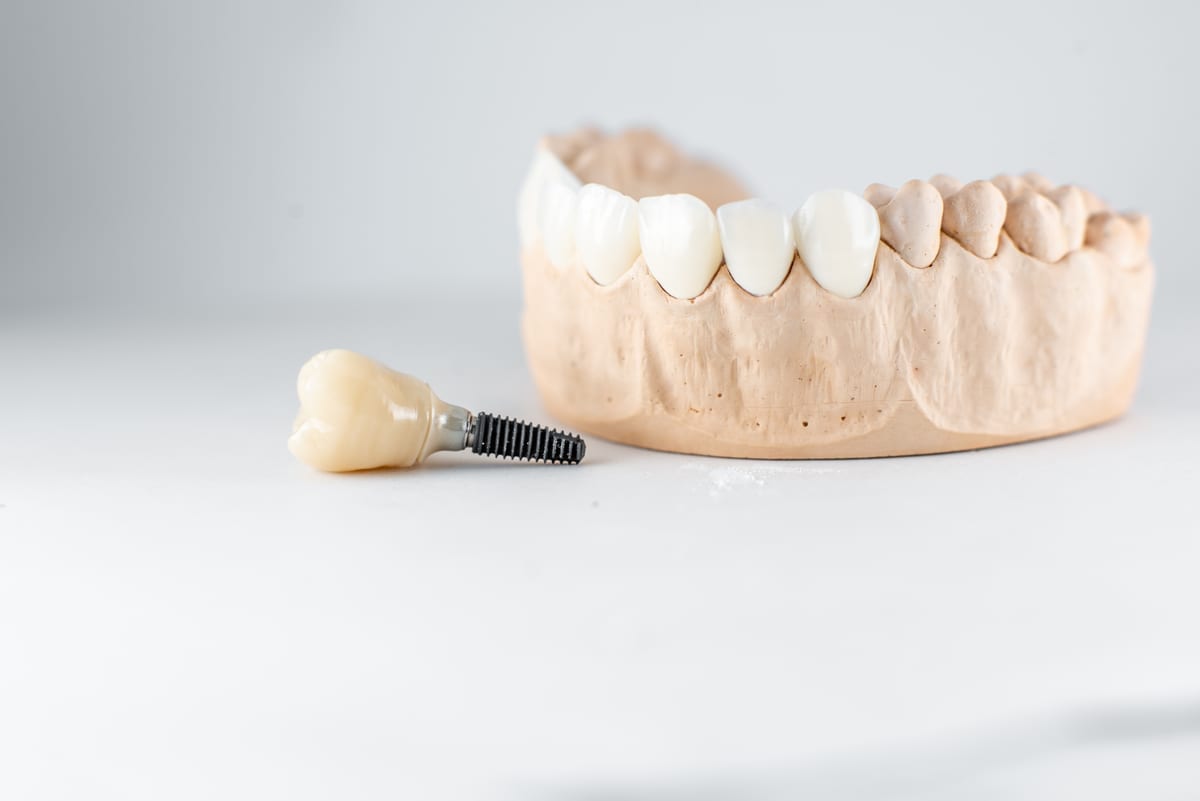
- Single dental implants — titanium posts placed in the jawbone; ideal for one or a few missing teeth
- Dental bridges — fixed restorations supported by neighboring teeth; no implant surgery needed
Dental implants are often an excellent choice for healthy seniors. Age alone does not disqualify someone from implants. What matters more is adequate bone density and the absence of uncontrolled systemic conditions. Dr. Rashid evaluates each patient individually to determine the safest and most effective path forward.
Bone loss is a concern after tooth extraction. When a tooth root is gone, the surrounding bone begins to shrink. Implants help preserve that bone by mimicking the stimulation of a natural root. For seniors who’ve already experienced significant bone loss, bone grafting may be necessary before implant placement.
How to Protect Your Oral Health After 60 in Clearwater
Prevention remains the most powerful tool at any age. Seniors benefit enormously from small, consistent habits. These habits reduce the risk of decay, gum disease, and tooth loss significantly. Small changes now prevent large problems later.
Dr. Rashid recommends the following protective steps for patients over 60:
- Use a soft-bristle toothbrush to avoid further gum irritation
- Brush twice daily with fluoride toothpaste — prescription-strength if your dentist advises
- Floss or use an interdental brush daily to clean between teeth
- Drink plenty of water throughout the day to combat dry mouth
- Attend dental checkups every three to four months if you have active gum disease or high decay risk
- Ask your dentist about fluoride varnish treatments at each visit
Diet also plays a critical role. Sugary and acidic foods accelerate decay, especially on exposed root surfaces. Calcium-rich foods support bone density and gum tissue strength. Small dietary adjustments, combined with consistent oral hygiene, create a strong defense against age-related dental decline.
Frequently Asked Questions
Why do teeth become more sensitive after age 60?
Gum recession exposes root surfaces that have no enamel protection. These surfaces are more porous and react strongly to temperature changes. Thinning enamel on the biting surfaces also contributes to sensitivity. Dr. Rashid can recommend desensitizing treatments and protective options tailored to your needs.
Can seniors in Clearwater get dental implants?
Yes — many seniors are excellent implant candidates. Age is not a disqualifying factor on its own. Adequate bone density and overall health are the primary considerations. Dr. Rashid performs a thorough evaluation, including imaging, to determine whether implants are right for each patient.
How does dry mouth increase the risk of cavities?
Saliva plays a critical protective role by neutralizing acids and rinsing away harmful bacteria. When medications reduce saliva flow, bacteria multiply rapidly on tooth surfaces. This leads to accelerated decay, especially on exposed root areas. Prescription fluoride and saliva substitutes can help offset this risk significantly.
How often should seniors visit the dentist in Clearwater?
Most seniors benefit from more frequent visits than the standard twice-yearly schedule. Those with active gum disease or high decay risk are often seen every three to four months. More frequent cleanings remove bacterial buildup before it causes serious damage. Dr. Rashid creates personalized recall schedules based on each patient’s individual risk factors.
What can be done about gum recession?
Mild recession can often be managed with better brushing technique and protective treatments like dental bonding over exposed roots. Severe recession may require a gum graft procedure performed by a specialist. Early intervention is key — catching recession before it advances prevents significant tooth and bone loss. Regular checkups allow Dr. Rashid to monitor changes and act quickly when needed.
Aging does not mean accepting a decline in your oral health. With the right care and regular attention, seniors in Clearwater can maintain strong, healthy smiles well into their later years. Dr. Rashid and the team at The Dentist Place of Clearwater are here to guide you through every stage of that journey. Book Now to schedule your appointment with our team.