Same day appointments Available | $99 New Patient Special Includes Exam and X-rays

By The Dentist Place of Clearwater | July 13, 2026
Many Greenbriar residents ask the same question before committing to dental implants: do dental implants really last a lifetime? It is one of the most important questions you can ask. Implants are a significant investment in your smile and your health. The good news is that, with proper care, they can absolutely stand the test of time.
At The Dentist Place of Clearwater, Dr. Rashid helps patients throughout the Greenbriar area understand exactly what to expect. This article breaks down the real lifespan of dental implants. It also covers the factors that can shorten — or extend — how long your implants perform.
How Long Do Dental Implants Actually Last in Greenbriar?
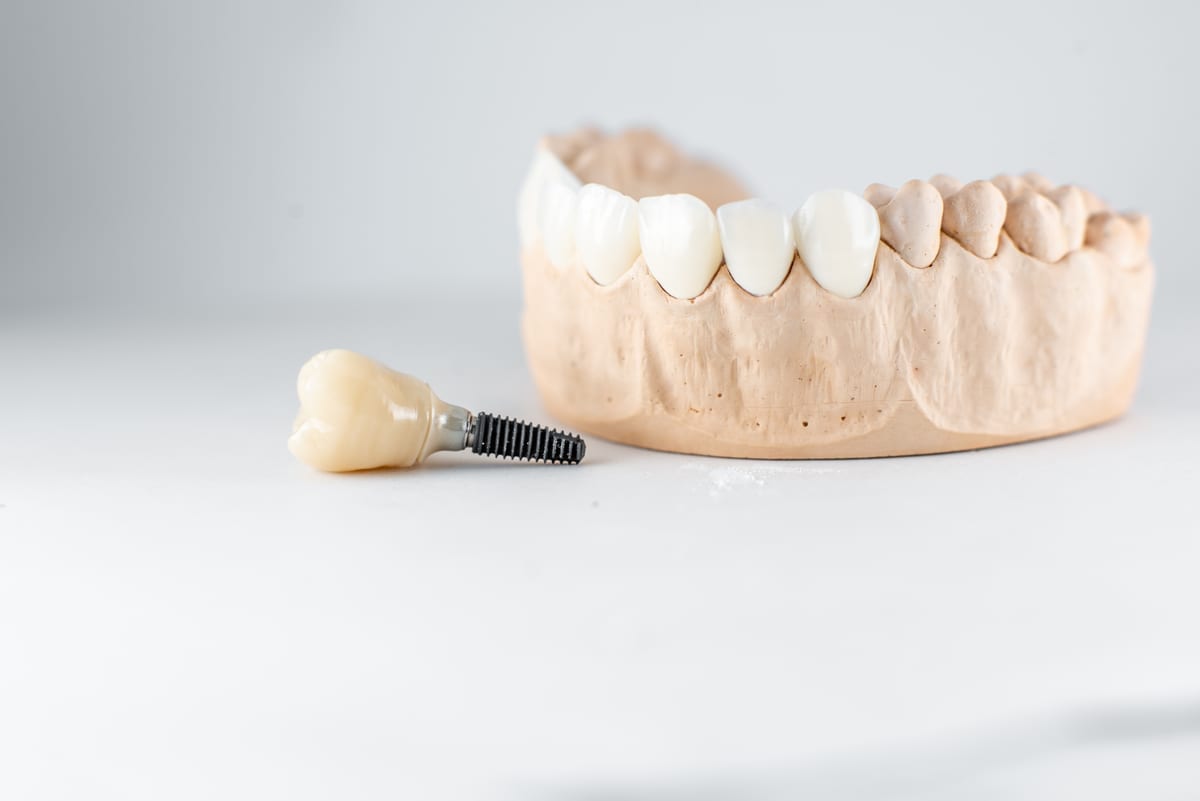
The titanium post that forms the base of a dental implant is built to be permanent. Clinical studies show implant posts can last 25 years or longer — often for life. The post fuses with your jawbone through a process called osseointegration. This creates an incredibly stable, durable foundation.
The crown attached to the implant is a different story. Crowns typically last 10 to 15 years before showing wear. However, well-maintained crowns can last much longer. So when someone asks whether dental implants really last a lifetime in Greenbriar, the honest answer is: the implant itself often does, but the crown may eventually need replacement.
This distinction matters when you are planning your long-term dental health strategy. Understanding both parts helps you set realistic expectations. It also helps you make smart maintenance choices from day one.
Key Factors That Affect Dental Implant Longevity
Not every implant performs the same way. Several factors directly influence how long yours will last. Some are in your control, and some relate to your overall health history.
Here are the most important factors that affect implant lifespan:
- Oral hygiene habits: Daily brushing and flossing protect both the crown and the surrounding gum tissue.
- Smoking: Tobacco use significantly weakens the bone and tissue around implants, increasing failure risk.
- Bone density: Strong, healthy jawbone supports the implant post more effectively over time.
- Gum disease: Uncontrolled gum disease can cause peri-implantitis, an infection that damages implant tissue.
- Teeth grinding (bruxism): Grinding puts excessive pressure on the crown and can loosen the implant post.
- Overall health: Conditions like diabetes or autoimmune disorders can slow healing and affect bone integration.
- Dentist experience: Proper placement technique directly impacts long-term implant stability and success.
Dr. Rashid evaluates each of these factors before recommending implants. A thorough assessment ensures every Greenbriar patient receives a personalized treatment plan. This reduces the risk of complications and maximizes longevity from the start.
Do Dental Implants Really Last a Lifetime? What the Research Says in Greenbriar
Long-term research strongly supports the durability of dental implants. Studies consistently show success rates above 95% at the 10-year mark. Many implants tracked over 20 or even 30 years remain fully functional. These results are among the best of any tooth replacement option available today.
Compared to Dental Bridges, implants do not rely on neighboring teeth for support. Bridges may require replacement every 10 to 15 years as surrounding teeth shift or wear. Implants, by contrast, preserve the jawbone and stand independently. This structural advantage plays a major role in their long-term success.
It is also worth noting that implant technology continues to improve. Materials, surface coatings, and placement techniques are all advancing. Patients who receive implants today benefit from decades of research and refinement.
How to Make Your Dental Implants Last a Lifetime
The choices you make after implant placement matter enormously. A few consistent habits can dramatically extend how long your implants serve you. Think of implant maintenance the same way you think about maintaining any long-term investment.
Follow these practical steps to protect your implants over the long haul:
- Brush twice daily with a soft-bristled toothbrush. Use non-abrasive toothpaste to avoid scratching the crown surface.
- Floss daily around the implant base. Consider a water flosser for easier access.
- Attend regular checkups every six months. Your dentist monitors bone levels and implant stability at each visit.
- Wear a nightguard if you grind your teeth. This simple device protects both the crown and the post.
- Avoid chewing hard objects like ice, hard candy, or pen caps. These can crack the crown.
- Quit smoking if you currently smoke. This single change significantly improves implant survival rates.
- Manage underlying health conditions with your physician. Controlled diabetes, for example, supports better healing and bone health.
At The Dentist Place of Clearwater, we guide every Greenbriar patient through a post-implant care plan. Dr. Rashid and the team want your implants to perform beautifully for decades. Consistent professional support makes a measurable difference in long-term outcomes.
Some patients also ask about cosmetic treatments to enhance implants after placement. Procedures like Dental Bonding can complement your smile beyond the implant itself. Combining treatments allows for a truly complete smile transformation. Dr. Rashid is happy to discuss all your options during a consultation.
When Should You Be Concerned About Your Implant?
Most implants perform without issue for many years. However, knowing the warning signs helps you act quickly if something changes. Early intervention almost always leads to better outcomes.
Watch for these signs and contact your dentist promptly if they occur:
- Pain or discomfort around the implant site that does not go away
- Swelling, redness, or bleeding near the gum line around the implant
- The implant or crown feels loose or shifts when you bite
- Difficulty chewing foods that were previously comfortable to eat
- Visible bone or gum recession around the implant base
These symptoms may indicate peri-implantitis or structural issues with the post. They are not reasons to panic, but they do require professional evaluation. The sooner you address a concern, the more likely it can be resolved without major intervention.
Is a Dental Implant Worth the Investment for Greenbriar Patients?
When you consider the lifespan of a dental implant, the value becomes very clear. A bridge may need replacement two or three times over the same period an implant remains functional. Over decades, an implant often becomes the most cost-effective tooth replacement choice. It also preserves bone, maintains your bite, and looks completely natural.
For Greenbriar residents seeking a long-term solution, implants offer unmatched stability and function. They do not slip like dentures. They do not put strain on surrounding teeth like bridges. They simply work — day after day, year after year.
Dr. Rashid at The Dentist Place of Clearwater is proud to offer expert implant care to the Greenbriar community. Whether you are just starting to explore your options or ready to move forward, our team is here to help. Book Now to schedule your appointment with our team.
Frequently Asked Questions
Do dental implants really last a lifetime for most patients?
The titanium implant post is designed to be a permanent solution and can last a lifetime with proper care. The crown attached to the post typically lasts 10 to 15 years before it may need replacement. Regular dental visits and good oral hygiene are the most important factors in achieving long-term implant success.
What is the most common reason dental implants fail?
Peri-implantitis — an infection of the gum and bone around the implant — is one of the leading causes of implant failure. Poor oral hygiene, smoking, and uncontrolled systemic health conditions significantly increase this risk. Catching and treating gum problems early gives your implant the best chance of long-term survival.
Can I get a dental implant if I have bone loss in my jaw?
Yes, in many cases bone grafting can rebuild the jawbone before implant placement. Dr. Rashid evaluates bone density through imaging to determine if grafting is necessary. Even patients with some bone loss are often good candidates after appropriate preparatory treatment.
How often should I visit the dentist after getting an implant?
We recommend visiting every six months for routine checkups and professional cleanings. During these visits, your dentist will assess bone levels and the stability of the implant. More frequent visits may be recommended if you have a history of gum disease or other risk factors.
Is it painful to maintain dental implants long-term?
Maintaining implants is no more uncomfortable than caring for natural teeth. Daily brushing, flossing, and routine checkups are all that most patients need. If you experience any pain or sensitivity around an implant, contact your dentist promptly to rule out any developing issues.