Same day appointments Available | $99 New Patient Special Includes Exam and X-rays


By The Dentist Place of Clearwater | April 15, 2026
Have you ever noticed a little pink in the sink while brushing or flossing? It’s easy to brush it off (pun intended), especially if there’s no pain. But bleeding gums are your body’s way of waving a red flag—and ignoring it can lead to bigger dental problems down the road.
At The Dentist Place of Clearwater, we often meet patients who waited too long to address gum bleeding. The good news? Most causes are treatable—especially when caught early.
Let’s break down what bleeding gums really mean, when to take them seriously, and how to protect your smile long-term.
Why Do Gums Bleed in the First Place?
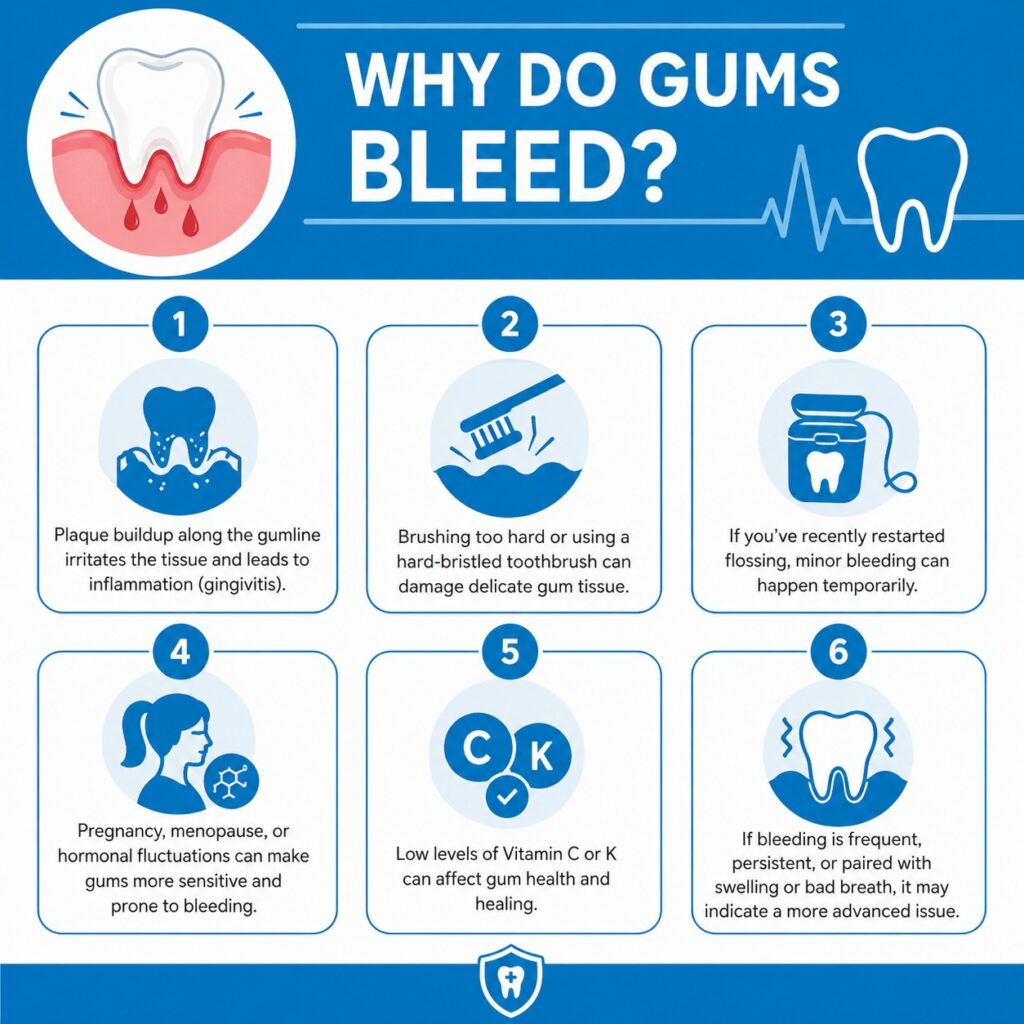
Healthy gums don’t bleed easily. If yours do, there’s usually an underlying issue. The most common causes include:
1. Plaque Buildup
When plaque sits along your gumline, it irritates the tissue. Over time, this can lead to inflammation—also known as gingivitis.
2. Brushing Too Hard
Using a hard-bristled toothbrush or aggressive brushing technique can damage delicate gum tissue.
3. Flossing After a Long Break
If you’ve recently restarted flossing, minor bleeding can happen temporarily. But it should improve within a few days.
4. Hormonal Changes
Pregnancy, menopause, or hormonal fluctuations can make gums more sensitive and prone to bleeding.
5. Vitamin Deficiencies
Low levels of Vitamin C or K can affect gum health and healing.
6. Gum Disease
If bleeding is frequent, persistent, or paired with swelling or bad breath, it may indicate a more advanced issue.
Warning Signs You Shouldn’t Ignore
Occasional bleeding might not be alarming—but certain symptoms mean it’s time to act.
Watch out for:
- Gums that bleed daily
- Red, swollen, or tender gums
- Receding gumline
- Persistent bad breath
- Loose teeth
- Pain while chewing
These are often early signs of gum disease progressing beyond the mild stage.
When Should You See a Dental Professional?
Here’s a simple rule: if your gums bleed regularly for more than a week, don’t wait.
You should schedule a visit if:
- Bleeding doesn’t improve with better oral hygiene
- You notice gum recession or tooth sensitivity
- There’s pus or signs of infection
- Your gums feel sore or look inflamed
At The Dentist Place of Clearwater, early evaluation can prevent long-term damage—and often save you from more complex procedures later.
What Happens If You Ignore Bleeding Gums?
Letting gum issues slide can lead to serious complications, including:
- Advanced gum disease (periodontitis)
- Bone loss around teeth
- Tooth mobility or loss
- Increased risk of systemic health issues
There’s also growing evidence linking gum disease to heart health and diabetes. Your oral health is more connected to your overall wellness than many people realize.
How Professionals Treat Bleeding Gums
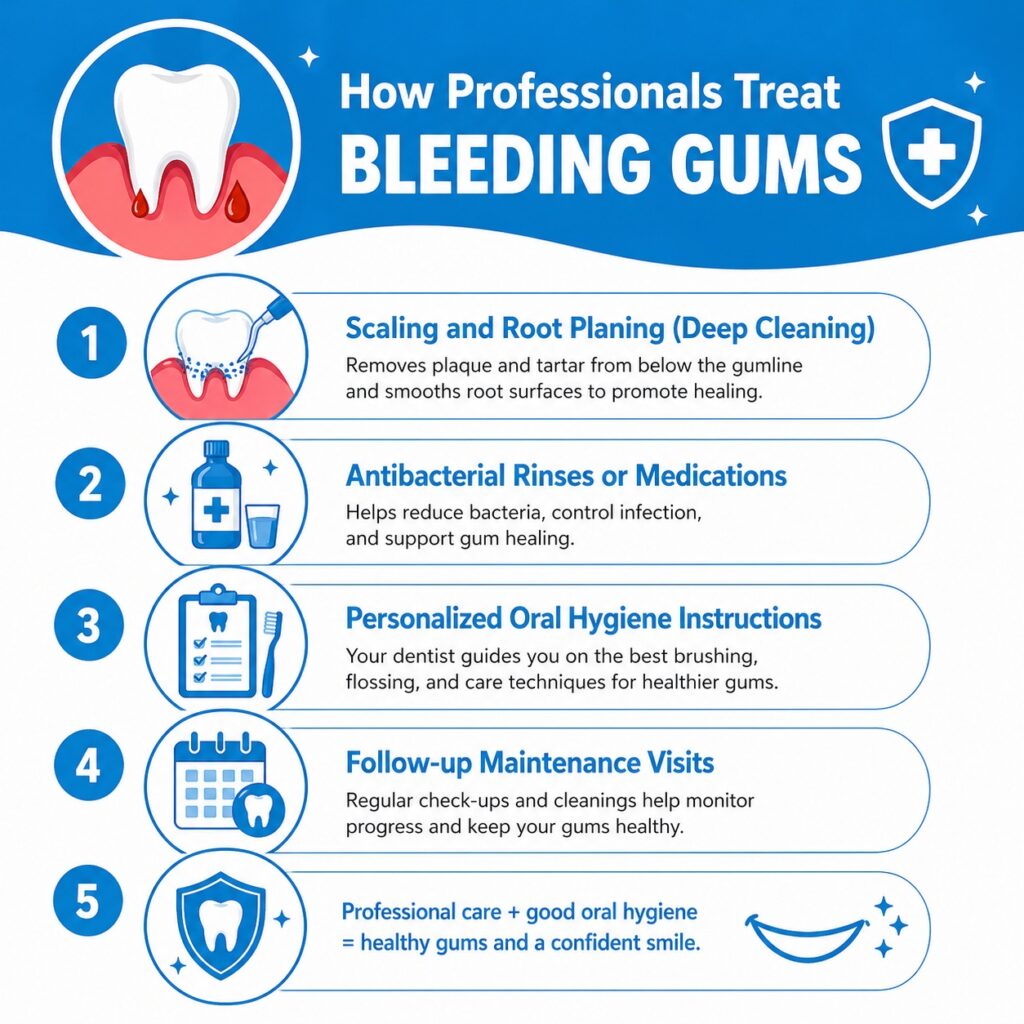
Treatment depends on the root cause, but one of the most effective approaches for gum disease is periodontal therapy. This involves deep cleaning techniques that remove plaque and bacteria beneath the gumline.
Your dentist may recommend:
- Scaling and root planing (deep cleaning)
- Antibacterial rinses or medications
- Personalized oral hygiene instructions
- Follow-up maintenance visits
The goal is to stop infection, reduce inflammation, and restore your gum health.
Simple Steps to Prevent Bleeding Gums
You don’t need complicated routines to keep your gums healthy—just consistency and the right habits.
Daily Care Tips:
- Brush twice a day using a soft-bristled toothbrush
- Floss gently but thoroughly once daily
- Use an antimicrobial mouthwash if recommended
- Stay hydrated
Lifestyle Habits:
- Eat a balanced diet rich in vitamins
- Avoid tobacco products
- Manage stress levels
- Keep up with regular dental visits
Why Clearwater Residents Should Pay Attention
Living in Clearwater comes with its perks—sunshine, beach days, and an active lifestyle. But it also means busy schedules, on-the-go meals, and sometimes neglected dental routines.
Many locals we see delay dental care until symptoms become uncomfortable. The reality is, preventive care is far easier—and more affordable—than treating advanced conditions.
At The Dentist Place of Clearwater, we focus on early detection and patient education, so you can maintain a healthy smile without disruption to your daily life.
What to Expect During Your Visit
If you’re coming in for bleeding gums, here’s what typically happens:
- Comprehensive Exam
We assess your gums, teeth, and overall oral health. - Gum Measurements
We check for pockets between your teeth and gums. - Personalized Plan
Based on your condition, we recommend the most effective treatment. - Guidance You Can Use
You’ll leave with clear steps tailored to your routine.
No judgment—just solutions.
Don’t Wait Until It Gets Worse
Bleeding gums are one of the earliest—and most treatable—warning signs in dentistry. Addressing the issue early can save your smile, your comfort, and your time.
If you’ve been noticing blood while brushing or flossing, it’s worth getting checked. A simple visit to The Dentist Place of Clearwater can make all the difference.
Your gums are trying to tell you something. It’s time to listen.
FAQs About Bleeding Gums
Can bleeding gums heal on their own?
Mild cases may improve with better oral hygiene, but persistent bleeding requires professional care.
Does flossing make bleeding worse?
It may cause temporary bleeding if your gums are inflamed, but regular flossing actually helps reduce it over time.
Are bleeding gums painful?
Not always. Many people experience bleeding without pain, which is why it’s often ignored.
How quickly should I see a dentist?
If bleeding lasts more than 7 days or is accompanied by other symptoms, schedule an appointment promptly.