Same day appointments Available | $99 New Patient Special Includes Exam and X-rays


By The Dentist Place of Clearwater | March 6, 2026
Dental emergencies rarely come with a warning. One moment you’re enjoying a meal near Clearwater Beach, and the next you’re dealing with a sudden toothache or a chipped tooth. Knowing what to do in those first few minutes can make a huge difference—not just in saving your smile, but also in reducing pain and preventing further complications.
At The Dentist Place of Clearwater, we understand how stressful these situations can be. Whether you’re a busy parent, a working professional, or enjoying Florida’s sunny outdoors, being prepared helps you stay calm and act quickly when it matters most.
Need immediate dental help? Call us at (727) 300-8486 for fast, reliable care when you need it most.
What Counts as a Dental Emergency?
Not every dental issue needs immediate attention, but some situations require urgent care. If you’re experiencing severe pain, bleeding, swelling, or trauma to your teeth or gums, it’s time to act fast.
After the first signs of discomfort, many patients start searching for an emergency dentist, especially when the pain disrupts daily life. Acting early can often prevent a minor issue from turning into a major one.
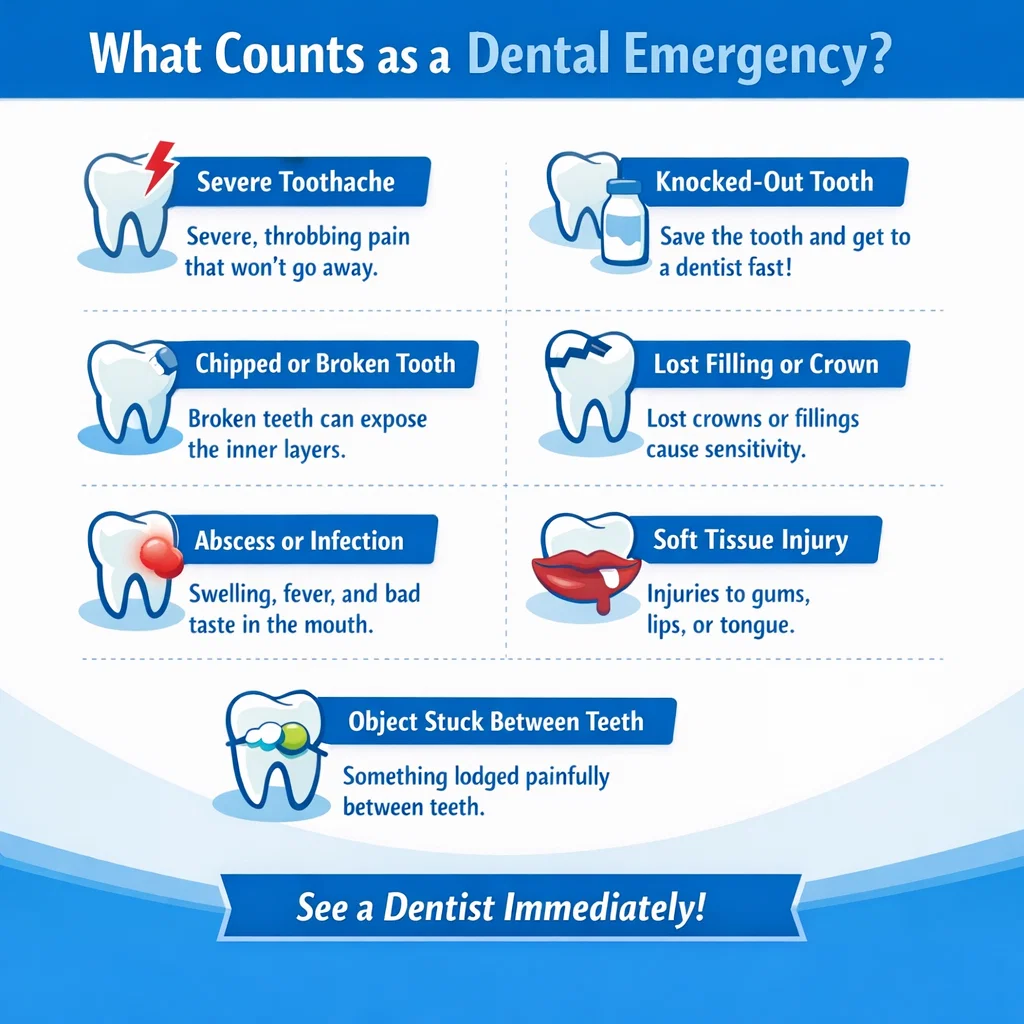
1. Severe Toothache
A persistent or throbbing toothache is one of the most common dental emergencies.
What to Do:
- Rinse your mouth with warm saltwater
- Gently floss to remove any trapped debris
- Take over-the-counter pain relief if needed (avoid placing it directly on gums)
- Apply a cold compress to reduce swelling
When to Seek Help:
If the pain lasts more than a day or worsens, it could indicate infection or decay that needs professional care.
2. Knocked-Out Tooth
This is a true dental emergency where timing is critical.
What to Do Immediately:
- Pick up the tooth by the crown (not the root)
- Rinse gently with water if dirty—do not scrub
- Try placing it back in the socket if possible
- If not, store it in milk or saliva
Important:
You have about 30–60 minutes to save the tooth, so seek immediate dental care.
3. Chipped or Broken Tooth
Whether from biting into something hard or a sports injury, chipped teeth are common in active communities like Clearwater.
What to Do:
- Rinse your mouth with warm water
- Save any broken pieces
- Apply gauze if there’s bleeding
- Use a cold compress to reduce swelling
Why It Matters:
Even small chips can expose inner layers of the tooth, increasing the risk of infection.
4. Lost Filling or Crown
A missing filling or crown can leave your tooth vulnerable and sensitive.
Temporary Fix:
- Use dental cement (available at pharmacies)
- Avoid chewing on that side
- Keep the area clean
Local Tip:
With Clearwater’s love for crunchy seafood and snacks, it’s easy to damage dental work—so be cautious until you see a dentist.
5. Abscess or Infection
An abscess is a serious condition that can spread if untreated.
Symptoms:
- Severe pain
- Swelling in the face or jaw
- Fever
- Bad taste in the mouth
What to Do:
- Rinse with saltwater several times a day
- Do NOT ignore the symptoms
This condition requires urgent treatment from an emergency dentist to prevent complications.
6. Soft Tissue Injuries (Gums, Lips, Tongue)
Accidental bites, falls, or sports injuries can lead to bleeding.
First Aid Steps:
- Rinse gently with saltwater
- Apply pressure with clean gauze
- Use a cold compress to control swelling
If bleeding doesn’t stop after 10–15 minutes, seek immediate care.
7. Objects Stuck Between Teeth
It may seem minor, but it can quickly become painful.
What to Do:
- Try flossing gently
- Avoid using sharp objects like pins or knives
If it won’t come out, a dental visit is the safest option.
Why Acting Quickly Matters
Living in a vibrant coastal area like Clearwater means you’re always on the go—beach outings, sports, dining, and social events. But dental emergencies don’t pause for your plans. Quick action not only saves teeth but also reduces long-term treatment costs.
When discomfort escalates or trauma occurs, reaching out to an emergency dentist ensures you get the right care without delay.
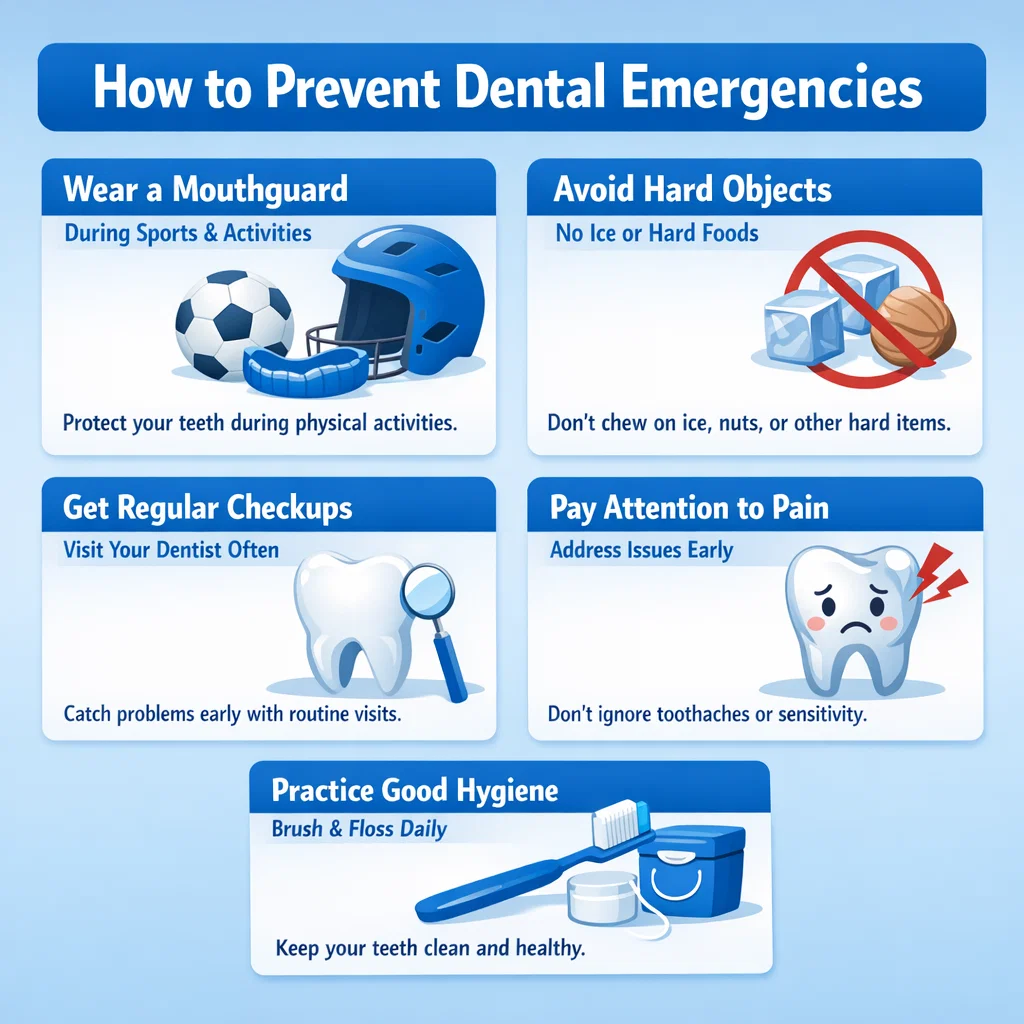
How to Prevent Dental Emergencies
While not all emergencies are avoidable, you can reduce your risk with a few simple habits:
- Wear a mouthguard during sports or outdoor activities
- Avoid chewing hard objects like ice or shells
- Maintain regular dental checkups
- Don’t ignore early signs of pain or sensitivity
- Practice good oral hygiene daily
Staying Prepared in Clearwater
Clearwater’s active lifestyle—boating, biking, beach volleyball—means accidents can happen anytime. Keeping a small dental emergency kit at home or in your car can be helpful. Include:
- Gauze
- Pain relievers
- A small container with a lid
- Salt packets
Knowing where to go is just as important. Having a trusted dental office like The Dentist Place of Clearwater saved in your contacts can make all the difference during an emergency.
When to Call for Help
If you’re unsure whether your situation is urgent, it’s always better to be safe than sorry. Pain, swelling, or trauma should never be ignored.
Call (727) 300-8486 to get guidance or schedule immediate care.
Prompt attention can protect your smile and give you peace of mind.
Final Thoughts
Dental emergencies can feel overwhelming, but knowing how to respond puts you in control. From toothaches to knocked-out teeth, quick thinking and the right care can make all the difference.
If you’re in Clearwater or nearby and need urgent dental attention, don’t wait.
Reach out to The Dentist Place of Clearwater at (727) 300-8486.
Frequently Asked Questions (FAQs)
1. How do I know if my dental issue is an emergency?
If you’re experiencing severe pain, swelling, bleeding, or a knocked-out tooth, it’s considered an emergency and should be treated immediately.
2. Can a knocked-out tooth really be saved?
Yes, if you act within 30–60 minutes and handle the tooth properly, there’s a good chance it can be reinserted successfully.
3. What should I avoid during a dental emergency?
Avoid using sharp tools, applying aspirin directly to gums, or ignoring persistent pain.
4. Is it okay to wait until the next day?
Minor issues might wait, but severe pain, infection, or trauma should be treated right away.
5. What if I have a dental emergency at night?
Call your dental provider immediately. Many practices offer after-hours guidance or emergency care options.
