Same day appointments Available | $99 New Patient Special Includes Exam and X-rays


By The Dentist Place of Clearwater | March 11, 2026
You notice a little bleeding when you brush. Maybe your gums feel slightly swollen after enjoying a meal along Clearwater Beach or grabbing a bite downtown. It doesn’t hurt much, so it’s easy to ignore.
But here’s the truth—gingivitis doesn’t just stay mild. When left untreated, it can quietly progress into something much more serious, affecting not just your smile but your overall health.
Let’s walk through what really happens if gingivitis is ignored—and why acting early can save you time, money, and discomfort.
First, What Is Gingivitis?
Gingivitis is the earliest stage of gum disease. It’s caused by plaque buildup—a sticky film of bacteria that forms on your teeth daily.
At this stage, the symptoms are often subtle:
- Red or swollen gums
- Bleeding when brushing or flossing
- Bad breath that won’t go away
Because it’s painless for many people, it’s easy to delay care. But that’s where the real problem begins.
What Happens If You Ignore Gingivitis?
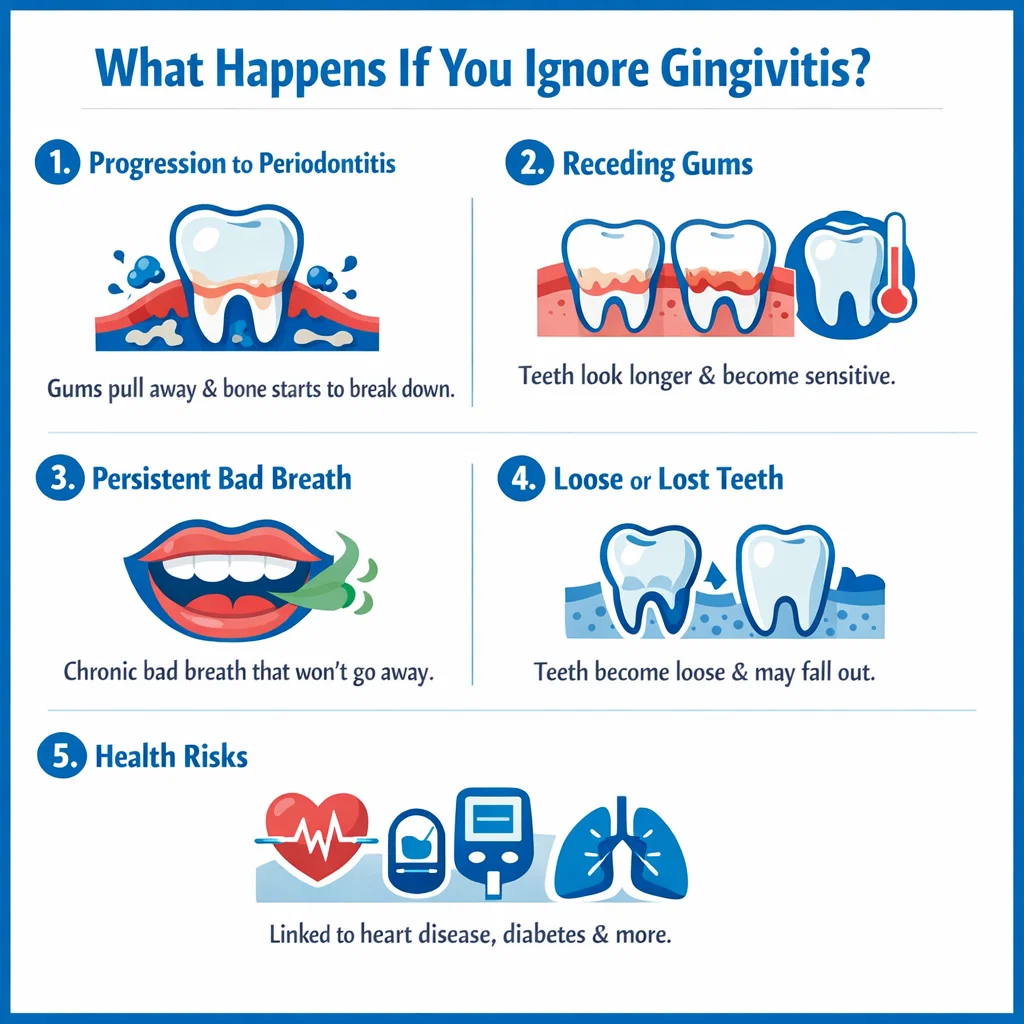
1. It Progresses to Periodontitis
If gingivitis isn’t treated, it can advance into periodontitis—a much more serious condition.
At this stage:
- Gums pull away from the teeth
- Pockets form where bacteria thrive
- Bone supporting your teeth begins to break down
This damage is often irreversible and may require advanced dental procedures.
2. Your Gums Start Receding
Healthy gums fit snugly around your teeth. With untreated gingivitis, inflammation causes them to recede.
This can lead to:
- Longer-looking teeth
- Increased tooth sensitivity (especially with hot coffee or cold drinks in Florida heat)
- Higher risk of decay near the roots
3. Persistent Bad Breath
That lingering bad breath isn’t just from last night’s meal—it’s bacteria buildup.
When gingivitis worsens:
- Odor-causing bacteria multiply
- Regular brushing won’t fix the issue
- It can impact your confidence in social or professional settings
4. Tooth Mobility and Loss
As the infection spreads deeper:
- Bone structure weakens
- Teeth may feel loose
- In severe cases, teeth can fall out or need extraction
This is one of the most serious consequences—and one that’s largely preventable with early care.
5. It Can Affect Your Overall Health
Gum health is closely linked to your body’s health.
Untreated gingivitis has been associated with:
- Heart disease
- Diabetes complications
- Respiratory issues
Inflammation in your gums can enter your bloodstream, contributing to systemic health problems.
Why This Matters for Clearwater Residents
Living in Clearwater means enjoying sunshine, beaches, and an active lifestyle. But daily habits—like frequent snacking, sugary drinks, or skipping dental visits due to a busy schedule—can increase your risk of gum issues.
Local factors that contribute include:
- High humidity encouraging bacterial growth
- Busy tourist and work schedules leading to delayed dental care
- Increased consumption of acidic or sugary beverages
Taking care of your gums ensures you can enjoy everything Clearwater has to offer—without discomfort or dental emergencies.
Can Gingivitis Be Reversed?
Yes—and that’s the good news.
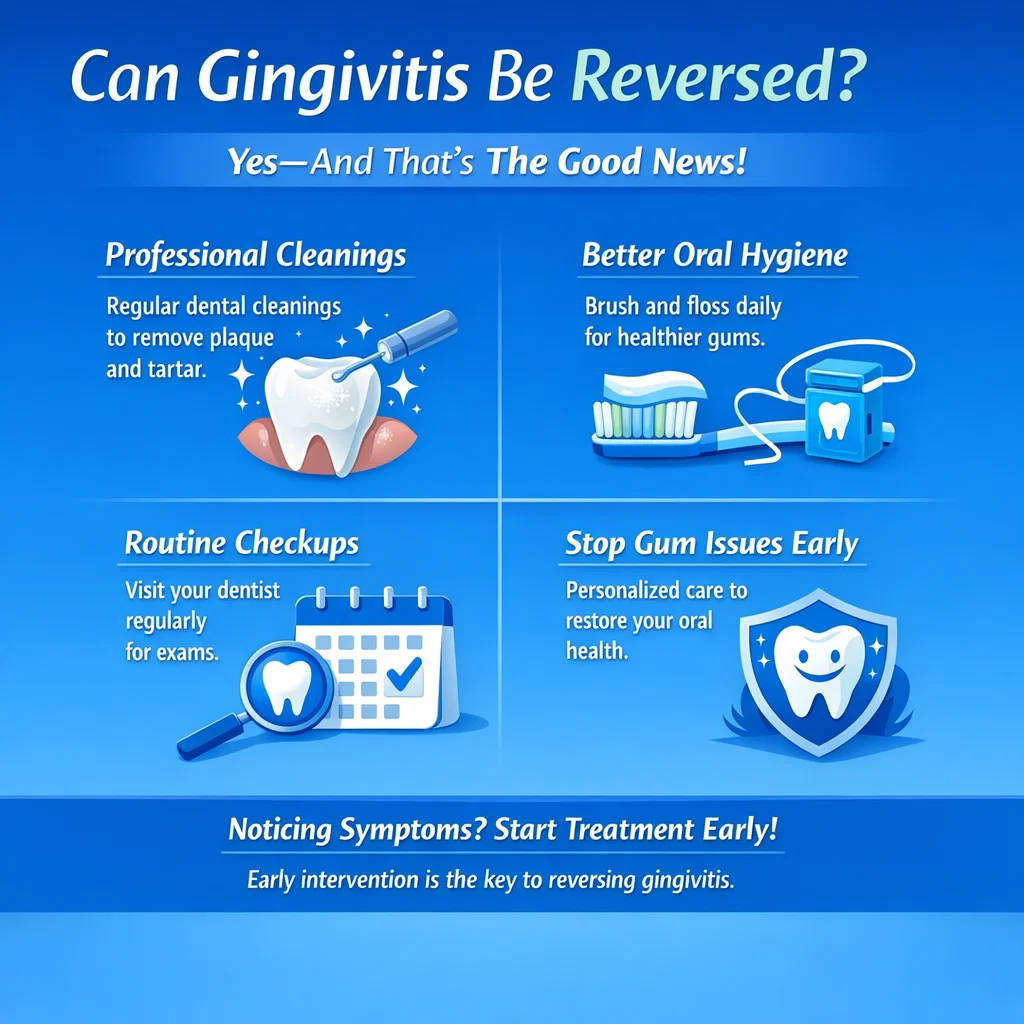
In its early stage, gingivitis is completely reversible with:
- Professional dental cleanings
- Improved brushing and flossing habits
- Regular checkups
At The Dentist Place of Clearwater, patients receive personalized care designed to stop gum issues early and restore oral health comfortably.
If you’re noticing symptoms, early intervention is the simplest and most effective solution.
Simple Ways to Prevent It from Getting Worse
Here’s what you can start doing today:
- Brush twice daily with fluoride toothpaste
- Floss every day (even if your gums bleed initially)
- Rinse with an antibacterial mouthwash
- Stay hydrated—especially in Florida’s warm climate
- Visit your dentist every 6 months (or as recommended)
And most importantly—don’t ignore the early signs.
When Should You See a Dentist?
You should schedule a visit if you notice:
- Bleeding gums that persist for more than a week
- Swelling or tenderness
- Receding gums
- Chronic bad breath
Timely Gum Disease Treatment can prevent minor issues from becoming major dental problems.
Key Takeaways
- Gingivitis is mild—but only at the beginning
- Ignoring it can lead to gum recession, bone loss, and tooth loss
- It may even impact your overall health
- Early treatment is simple, effective, and affordable
Take the First Step Toward Healthier Gums
Ignoring gingivitis may seem harmless—but it can lead to lasting damage if left untreated. The sooner you act, the easier it is to restore your smile.
If you’re in Clearwater or nearby, now is the perfect time to prioritize your gum health. Schedule a visit with The Dentist Place of Clearwater and take control before small symptoms turn into big problems.
Your future smile will thank you.
Frequently Asked Questions
1. Can gingivitis go away on its own?
Not completely. While symptoms may temporarily improve, the underlying cause (plaque buildup) needs professional care to fully resolve.
2. Is bleeding gums always a sign of gingivitis?
Often, yes. Bleeding during brushing or flossing is one of the earliest warning signs.
3. How long does it take for gingivitis to turn serious?
It varies, but without proper care, it can progress within weeks to months.
4. Is treatment painful?
No. Early-stage treatment usually involves a gentle cleaning and improved at-home care.
5. Can kids or teens get gingivitis?
Yes. Poor oral hygiene at any age can lead to gingivitis, making early education important.